Equip Yourself With the Right Resources
Through this toolkit, we’ll introduce you to animal shelters, community organizations, and experts who are already providing pet wellness services across the country. Getting started on a new project is never easy, and when it comes to community pet wellness, there’s no single plan that works for everyone. Every community has its own challenges, resources, and opportunities—and that’s exactly why the Duffield Pet Wellness Days program was designed to be flexible.
Maybe your community is seeing high rates of parvovirus and distemper, and you’ve been wanting to host a vaccination clinic. Perhaps you’ve spent time with unhoused pet families and witnessed firsthand the need for accessible wellness care. Or maybe your animal shelter doesn’t currently have a veterinarian on staff, and you’re exploring partnerships to provide basic preventive care. Whatever your situation, the Duffield Pet Wellness Days program can help you take the next step.
By contracting wellness veterinarians, this program supports shelters and organizations in delivering care that meets pets and people where they are. Getting started in a thoughtful, meaningful way takes planning, but it doesn’t have to be overwhelming. The key is to start small, stay focused on your community’s most urgent needs, and grow from there.
Hear From Leaders
In this toolkit, you’ll hear from people who have done just that, leaders who saw a gap and found creative solutions to fill it.
Our first guest is Amanda Arrington, founder of Beyond Fences in Durham, North Carolina. Amanda’s work focuses on removing barriers to pet care and keeping families together through outreach, support, and compassion. Her insights will help you think about how to begin assessing your community’s needs and identifying where wellness efforts can make the biggest impact.
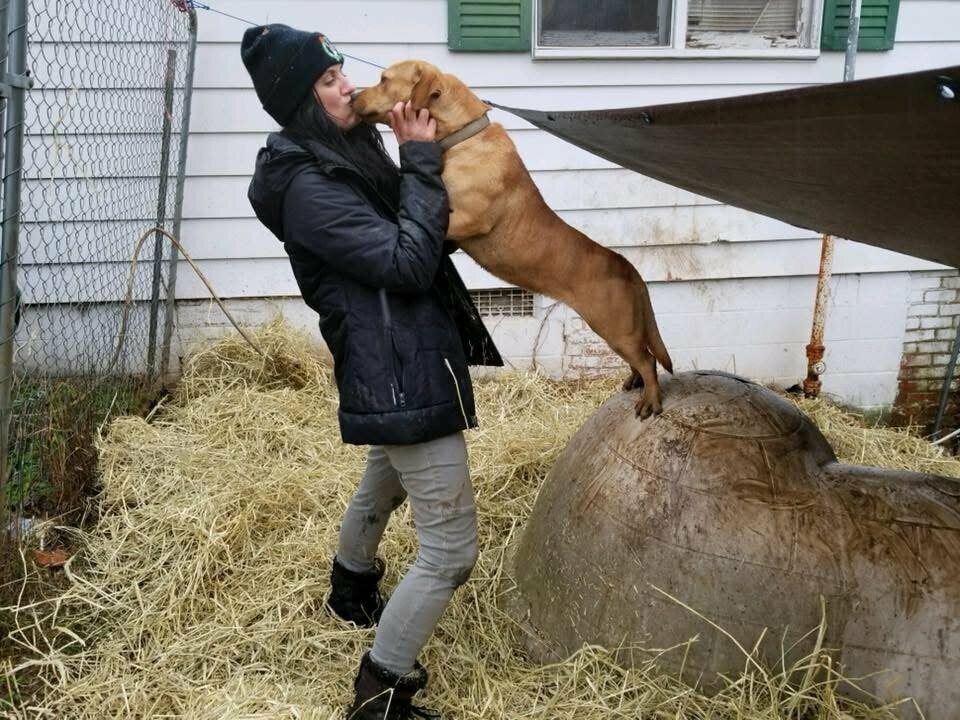
Message From Amanda Arrington
“One of the biggest lessons learned is to be aware of your limitations in order to set clear expectations for the community. Overpromising services and support and then being unable to deliver is easy to do and can derail your work, causing harm and destroying trust within the community.
We started small in one neighborhood in one zip code and expanded overtime but only as we had the capacity to do so with appointments, staffing, budget, etc. We only added new areas, when we were certain we could maintain services in our existing area. We never wanted to abandon a part of the community where we had established services and built strong community trust. We prioritized building a consistent community presence and focused on creating scalable services.
We do not advertise or promote our services on social media or with other traditional messaging. When sharing in this way, the geographic focus is not possible. We know we can’t be everything to everyone and the best way to manage the demand and workload is to concentrate our limited resources in areas with the highest concentration of households struggling financially and the least access to resources. We started with door to door outreach and letting people know of our services. Over time word of mouth from within the community—between family, friends and neighbors—grows while staying mostly within the community of focus.
If I had to summarize one main lesson and suggestion it is this:
Building trust and setting expectations: Success requires patience in building relationships with community members, clear communication about service limitations, and consistent application of those boundaries to maintain trust.”