New World Screwworm: What Pet Owners and Shelters Need to Know and Why We're Ready
You’ve probably seen the headlines. New world screwworm has crossed the border from Mexico into Texas and New Mexico, it’s natural to feel concerned. At BISSELL Pet Foundation, we’ve been watching closely, preparing quietly, and working hard.
Here’s what’s happening, what it means for your pets and your shelter, and what you can do right now.
What Is New World Screwworm?
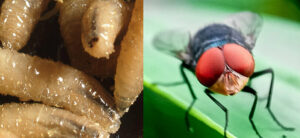
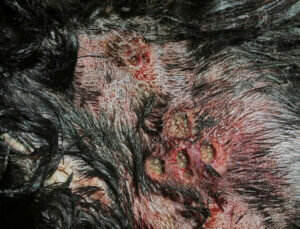
Most fly larvae feed on dead or decaying tissue. New world screwworm is different. The larvae burrow into the open wounds of living animals, causing damage that can be severe or even fatal if left untreated. It sounds alarming. But here’s the critical thing to understand:
New world screwworm is treatable, it is not contagious, and there are FDA-approved solutions available right now. Nexgard, Capstar, and Credelio are all effective treatments. Early detection is the key, and that is something every pet owner and shelter can do.
What BISSELL Pet Foundation Is Doing
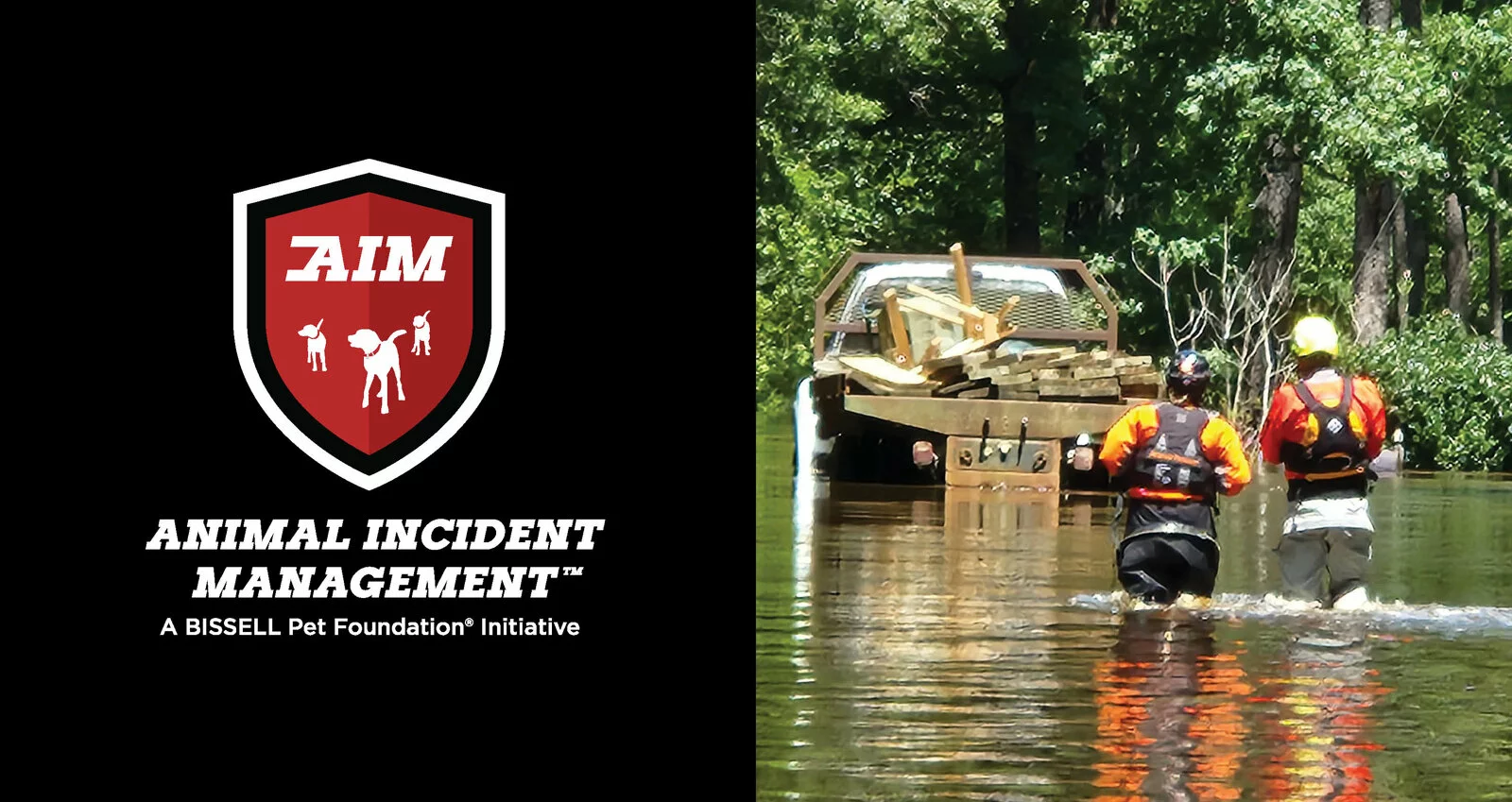
BISSELL Pet Foundation’s Animal Incident Management (AIM) team exists for moments exactly like this one. For months, our team has been monitoring the situation in border states, building a response plan, and making sure that treatment reaches the communities that need it most.
AIM has spent the last several weeks developing a distribution plan for treatment across Texas, New Mexico, Arizona, and Southern California. This plan has now been implemented. Through our National Shelter Alliance partners, treatment will be made available to both shelters and community members as needed.
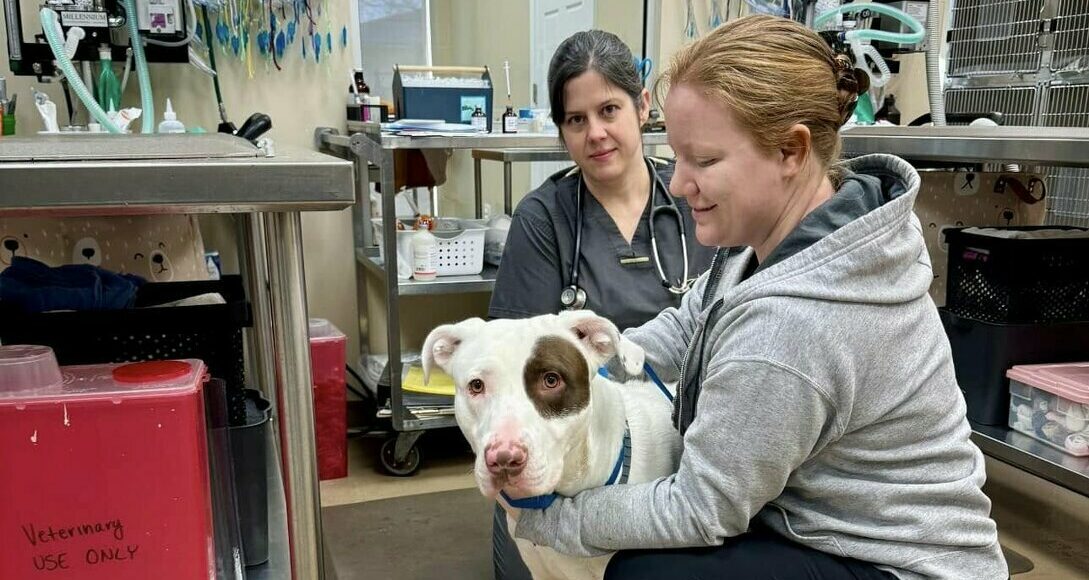
For shelters without a veterinarian on staff, we’re bringing in our newest initiative, the Duffield Pet Wellness Days program, to provide on-site wellness services, including treatment for screw worm. No shelter should face this without support, and none of our partners will have to.
AIM will continue working alongside shelter partners in the months ahead to ensure that access to care remains available, for animals in shelters and for pets in the community.
What You Can Do Right Now
Pet Owners in Border States
- Check your pets after every outdoor outing. Look for open wounds or any sign of maggots.
- If your pet has a wound, ask your veterinarian about a fly repellent like SWAT to keep flies away while it heals.
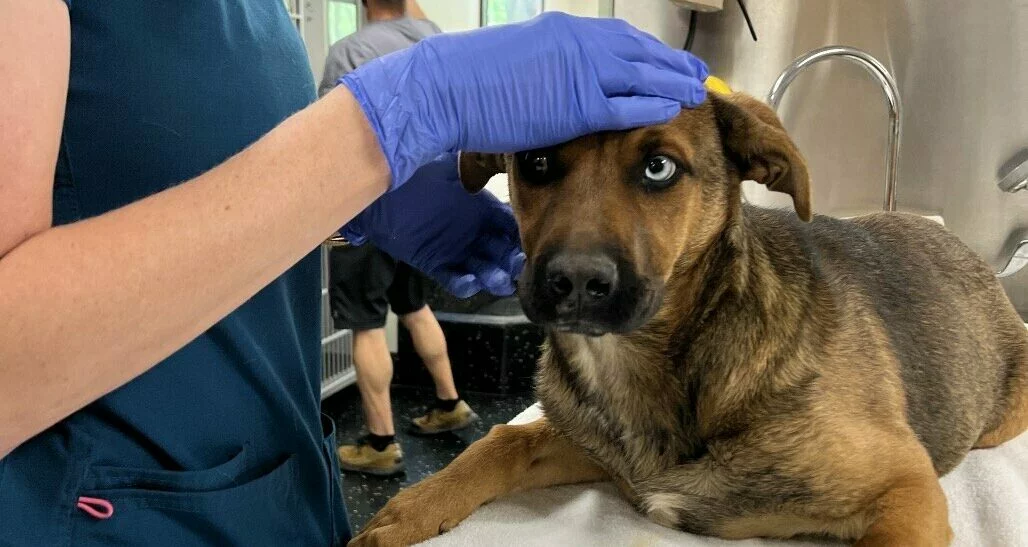
- If you find maggots, contact your veterinarian immediately for identification and treatment. Fast action makes all the difference.
Animal Shelters
- Implement a fly mitigation program now, before you need it.
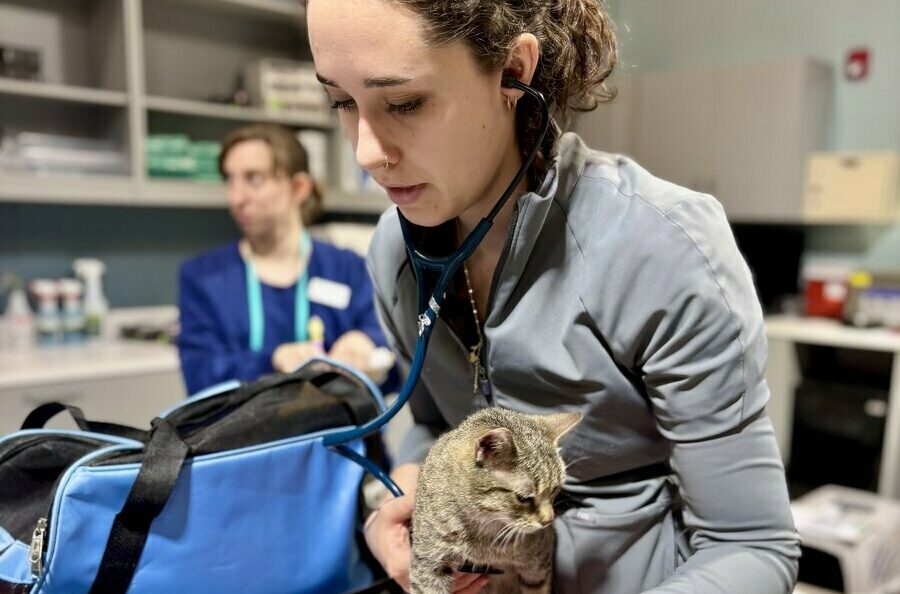
- Conduct thorough intake exams on every animal and check pets in your care daily.
- Any maggots found should be reported to a veterinarian immediately for identification.
- Your team’s attention and diligence are your most powerful tools.
A Note on Transport and State Restrictions
Several states have responded to confirmed cases in Texas and New Mexico by placing temporary restrictions on pet imports, and a few have issued full import bans into their states.
Most states are currently requiring health certificates that are less than five days old, with a statement confirming each pet is screwworm-free. Shelters and rescues should follow these requirements. Circumventing them, even with good intentions, risks triggering broader bans that will limit movement for the pets that need it most. Compliance keeps transport open.
The Bottom Line
New world screwworm is a serious situation that deserves serious attention. It is not a reason to panic. It is a reason to be prepared, to be observant, and to act quickly if you see something concerning.
BISSELL Pet Foundation and the AIM team are already at work with partners, with resources, and with a plan. Because that’s what we do. We prioritize pets, people and the communities they live in.
Screwworm & fly photos from Texas Farm Bureau & Texas A&M AgriLife Extension
Related Posts
Eric Thompson: Animal Incident Management Deployment in Maui
It was August 8, 2023, when the island of Maui experienced...
BISSELL Pet Foundation’s Animal Incident Management Responds to Tropical Storm Debby
In August 2024, BISSELL Pet Foundation’s Animal Incident...