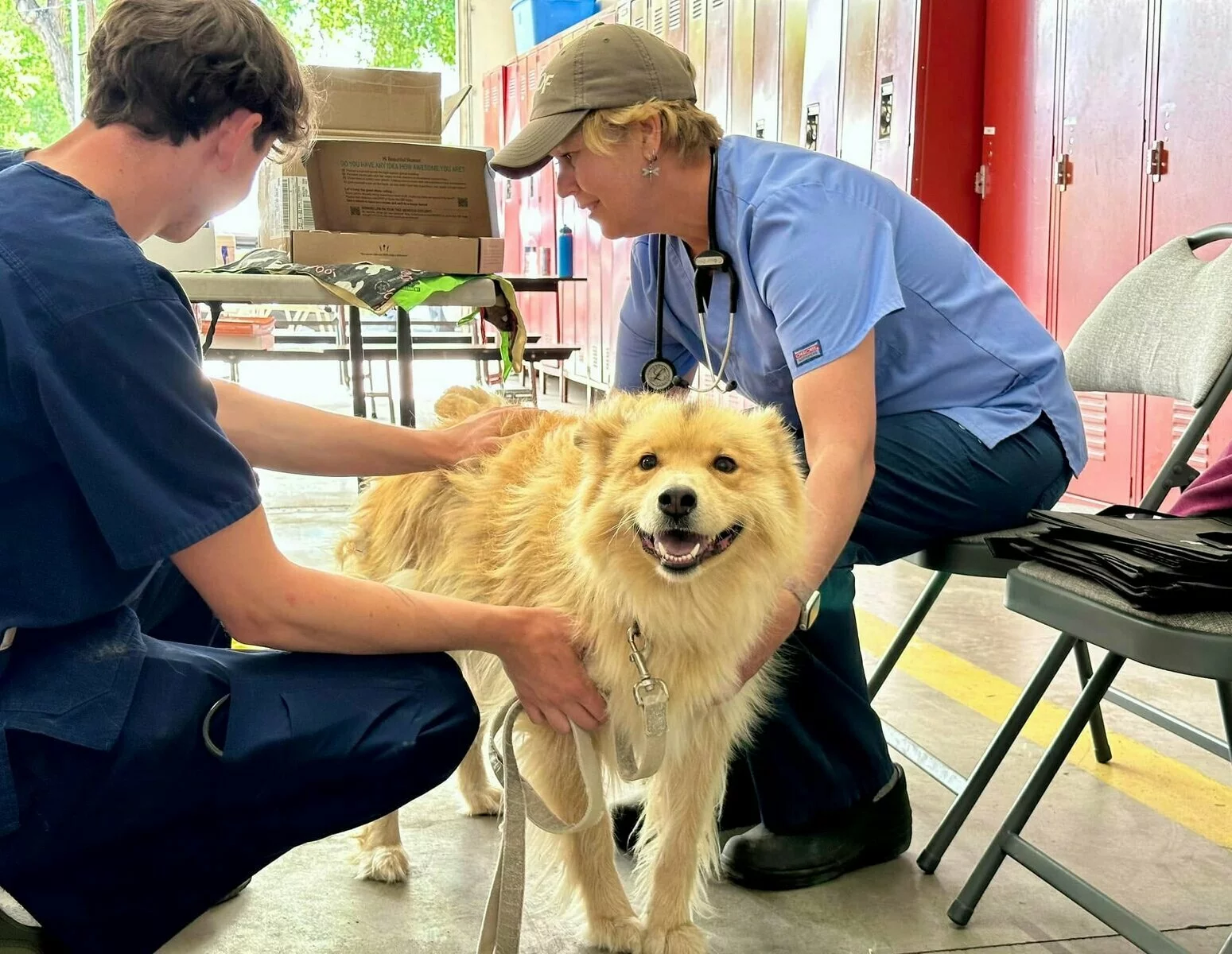
Two veterinarians in blue scrubs examine a happy, fluffy dog indoors. The dog stands on the floor as one vet pets it and the other gently holds its leash. Red lockers and boxes are in the background.
Wellness Toolkit

Wellness for Shelters

Wellness for Shelters and Pets

The national shortage of shelter veterinarians is a pressing reality. Coupled with shrinking municipal budgets, animal shelters across the country face an urgent challenge: providing essential veterinary care for pets in need. 

Untreated conditions, such as eye and ear infections, flea allergies, injuries, and illness, cause immense suffering. When pets are uncomfortable or in pain, their health declines, and so do their chances of adoption. 

The Duffield Pet Wellness Days program exists to change that. By delivering critical veterinary services to shelter animals, we aim to end unnecessary suffering and give every pet the best chance at a healthy life, and a loving home. 

See below to learn more about the difference that wellness in animal shelter can make.

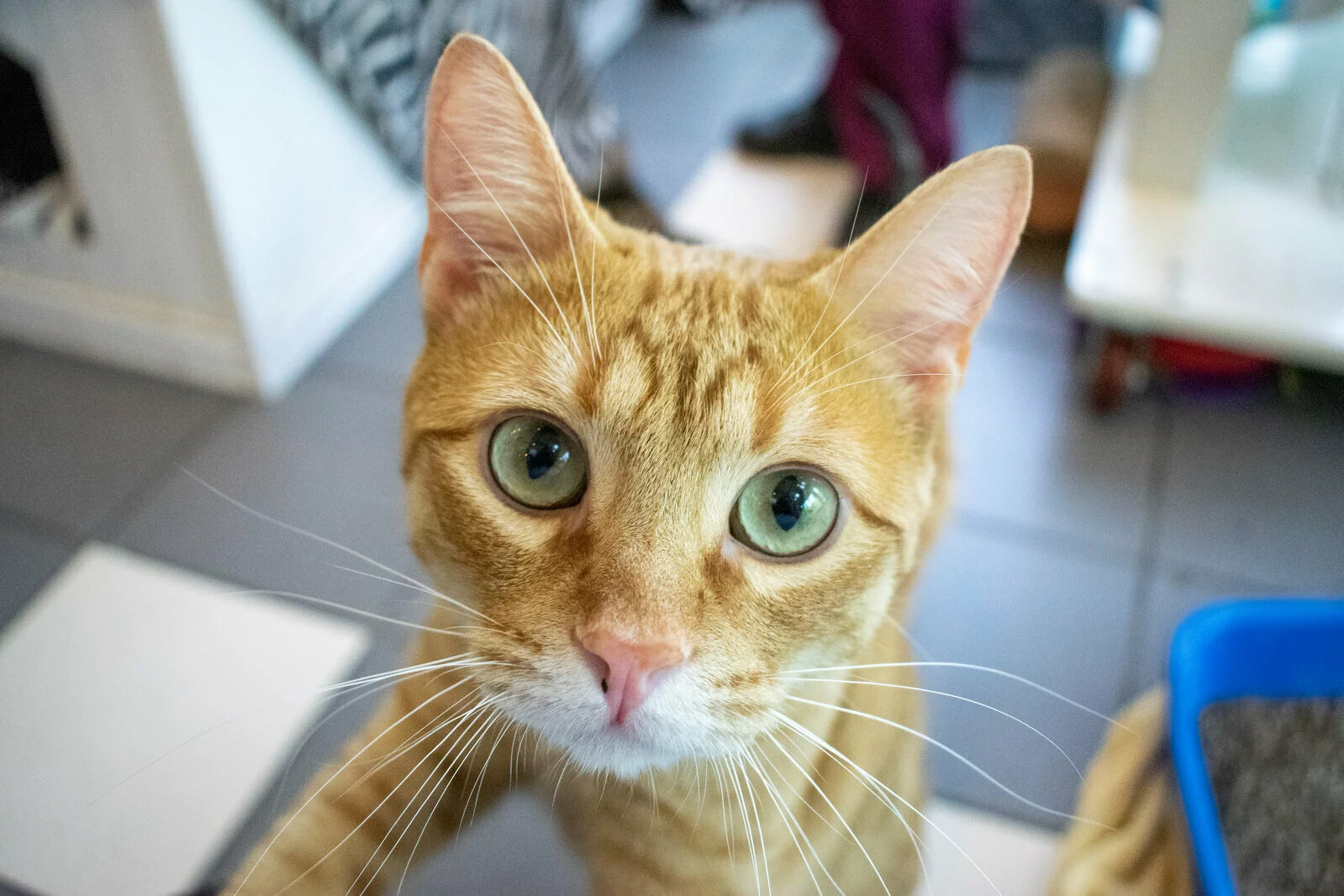
A close-up of an orange tabby cat with green eyes looking directly at the camera inside a home with tile flooring.

Why Shelter Wellness Is Not Optional

Imagine being exhausted, overwhelmed, and hurting, then placed in a loud, crowded, unfamiliar space where everything feels urgent, and nothing feels personal. It’s hard to rest. Hard to trust. Hard to show who you really are. You say to yourself, do I matter, does anyone see me? Now imagine that same moment met with calm—pain eased, noise softened, someone slowing down long enough to care. Your body relaxes. Your guard lowers. You can finally breathe.

That is what wellness does in a shelter. When pain, parasites, skin disease, dental issues, ear infections, and unmanaged stress are addressed early, animals don’t just feel better—they behave differently. They engage. They connect. Their true personalities emerge. And in those quiet moments of comfort, a frightened animal becomes a companion someone can fall in love with.

Wellness is not an extra. It is not a luxury. It is a responsibility—and often the difference between an animal being overlooked and an animal going home.

Information from Maricopa County

Start Small. Start at Intake.

Now you’re thinking cost, staffing, process, buy-in—there comes that stress. Stop, breathe, and commit to one small, impactful act.

You don’t need advanced resources—just clear protocols, consistency, and empathy. Prioritize intake vaccines, recognize signs of pain or illness, and consider the animal’s experience. Comfort directly impacts behavior, health, and adoptability.


Core Intake Wellness Practices

Intake Vaccinations

Administer core vaccines at intake, before kennel placement. Vaccines should be ageappropriate and tailored to regional risks.

Dogs

  • Core vaccines (DA2PP/DHPP/DHLPP)
  • Bordetella bronchiseptica (standalone or combined with CAV-2/CPIV)
  • Rabies

Cats

  • FVRCP (Rhinotracheitis, Calicivirus, Panleukopenia)

Non-Core/Risk-Based

  • FeLV, Bordetella, Chlamydophila felis (as indicated)

Parasite Prevention

Provide broad protection against fleas, ticks, and internal parasites, including full life cycles. Regional parasite risks should guide protocols. (Common examples: Bravecto, Credelio, Frontline, Advantix)


Regional Disease Awareness

Identify and address region-specific concerns at intake.

Heartworm (Dogs)

  • SNAP testing at intake
  • Positive cases documented and treatment initiated
  • Ongoing prevention established
  • Broad-spectrum options (Simparica Trio, NexGard Spectra, Credelio Quattro) when feasible

Senior Animals

  • Identify and address age-related discomfort (e.g., arthritis, dental disease, mobility limitations)
  • Provide supportive care (comfort modifications, pain management as appropriate)
  • Ensure veterinary evaluation is scheduled as soon as possible

Beyond Vaccines: Whole-Animal Care

  • Basic health checks to identify pain, wounds, or illness
  • Early treatment of minor medical issues
  • Clean, comfortable housing with appropriate nutrition
  • Behavioral support to reduce fear and stress
  • Feed a consistent diet to prevent GI issues

Simple Improvements Make a Big Difference

  • Hiding spaces or partial kennel covers
  • Small “den” areas
  • Avoiding stacked crates
  • Adequate space to rest, eat, eliminate, and retreat

The ASV Shelter Standards of Care provide species-specific housing guidance for humane and appropriate sheltering.


Care Sustains Life. Wellness Restores It.

True help is not measured by survival alone—it is measured by the quality of care provided while animals wait for their second chance.