It’s Time to Change the Conversation About Animal Shelters
As we step into 2026, let’s focus on the positive when we talk about animal shelters. For too long, confusing terminology and harmful labels have shaped public perception—and not in a good way.
Shelters across the country, whether municipal or private, are working tirelessly to save lives. Yet, words like “kill shelter” and “no-kill shelter” have created division, misinformation and unrealistic expectations. These labels don’t tell the whole story. In fact, they often hurt the very shelters that need our support the most.
Why Labels Miss the Point
The “no-kill” label is based on a single metric: a 90% live release rate. Sounds simple, right? It’s not. That number doesn’t reflect:
- Whether the shelter offers programs to keep pets in homes
- How pets are housed—comfortably or in overcrowded conditions
- Whether disease is under control
- Staffing levels and quality of care
- How long pets wait for adoption
Shelters should be evaluated on much more than a percentage. They are places where compassion meets reality every single day.
Morals Over Metrics
At BISSELL Pet Foundation, we believe in prioritizing morals over metrics. In November, we hosted a webinar by that name to spotlight the dangers of chasing arbitrary numbers. Shelters told us that pressure to hit a single “live release” goal has led to overcrowding, disease and even unsafe adoptions. What started as a movement to stop euthanasia has, in some cases, evolved into expectations that can unintentionally harm shelters.
Our recent poll of more 100 shelters says it all:
- 88% no longer use “kill” language
- 98% believe these labels harm shelters
- 99% say they confuse the public
- 87% believe the push for “no-kill” metrics has led to public safety risks and mismatched adoptions
The Reality Behind the Numbers
Large municipal shelters often take in every animal that comes through the door. They handle cruelty cases, severe medical emergencies and large-scale neglect situations for smaller shelters in their state because they have the resources to do so. They may have to accept dogs and cats with behavioral or medical challenges or provide euthanasia services for the community. These responsibilities can lower their live release rate, unfairly branding them as “kill shelters.”
Meanwhile, shelters are doing more than ever to keep pets out of the system: offering spay/neuter services, vaccines, microchips, food banks and even fencing programs. These efforts strengthen families and reduce shelter intake—allowing shelters to focus on emergencies and crisis care, as they were meant to.
What You Can Do
Ignore the labels. Visit your local shelter. All across the country, wonderful pets are waiting for loving families—and you can make a lifesaving difference.
Until every pet has a home,

Related Posts
Celebrating World Spay Day with a Challenge That Will Change Everything
This week, in honor of World Spay Day, we shared news that fills our entire BISSELL Pet Foundation team with hope...
Meet the 2026 Junior Board of Directors!
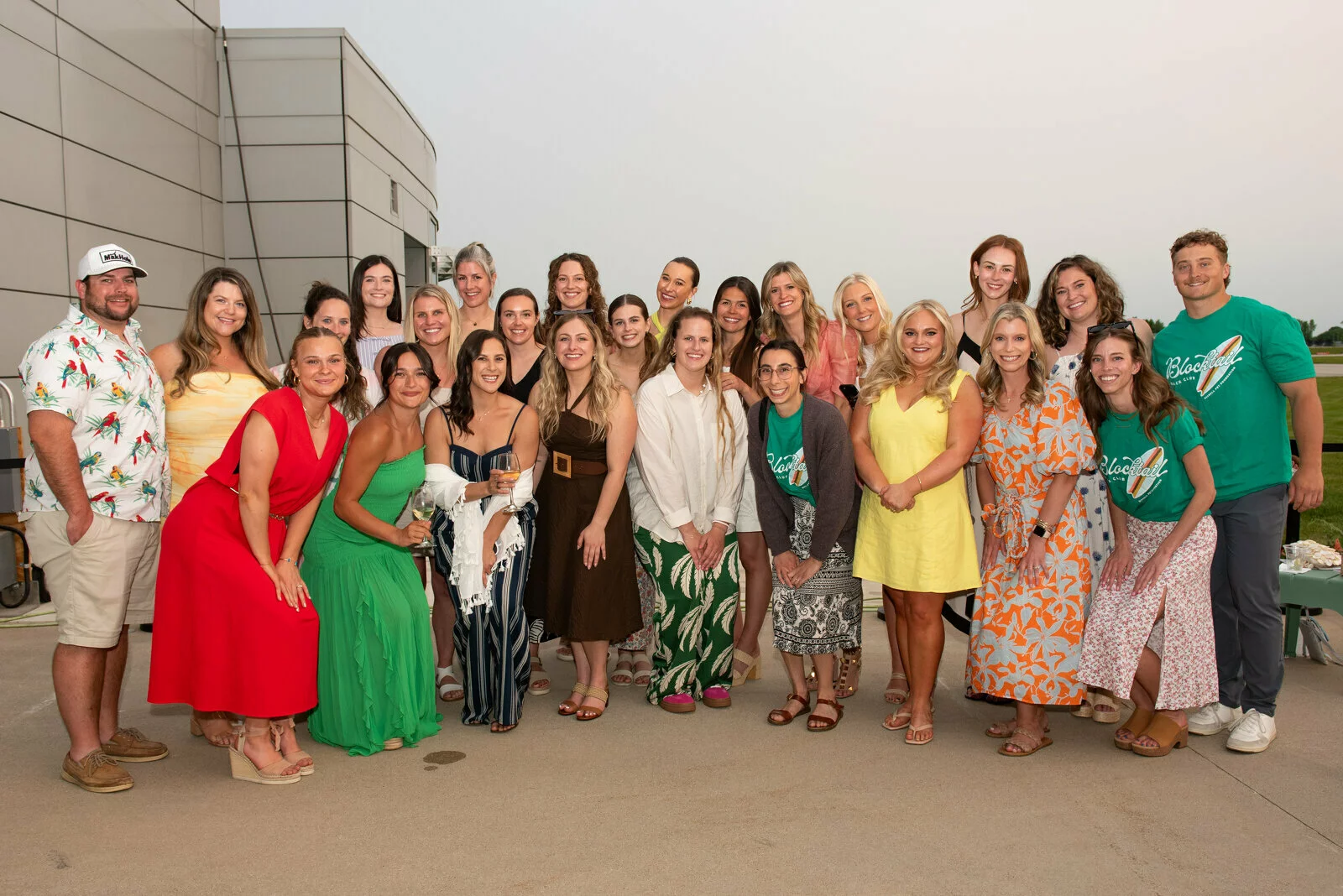
Get to know BISSELL Pet Foundation's 2026 Junior Board of Directors!
The Dish
As we begin a new year, I want to thank you for saving lives with us.